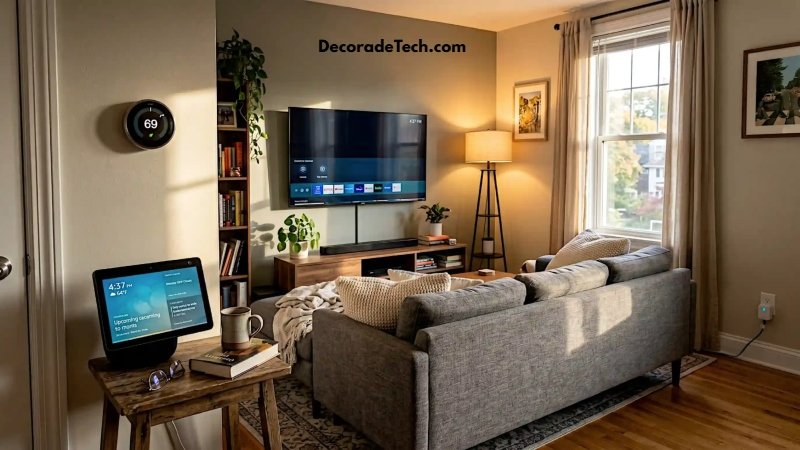
Technology has changed the way people live at home. A few years ago, having a modern home often meant choosing attractive furniture, updating the walls, improving the lighting, or adding new decorative pieces. Today, there is another important part of the picture: technology.
From lighting and temperature control to home security and entertainment, smart devices are becoming part of everyday living. But adding technology to a home does not mean filling every room with gadgets and visible cables. The real challenge is finding a comfortable balance between useful technology and a welcoming design.
This is where DecoraDTech comes into the picture.
DecoraDTech is an approach that brings decoration, comfort, functionality, and modern technology together. Instead of treating technology and interior design as two separate things, it looks at how they can work naturally in the same space.
What Is DecoraDTech?
DecoraDTech can be understood as the combination of decorative design and modern technology. The idea is simple: technology should make a home more useful without making it feel cold, complicated, or overcrowded.
A smart light, for example, can provide more than basic illumination. It can be adjusted for different activities, while its design and placement can complement the room. Similarly, a smart speaker can provide entertainment without becoming the main visual feature of the space.
The goal is not to own the largest number of smart devices. It is to choose technology that genuinely improves the way a home looks, feels, and functions.
Why DecoraDTech Matters in Modern Homes
Modern homeowners often want several things at the same time. They want their homes to look attractive, remain comfortable, save time, and provide useful technology.
A well-planned DecoraDTech setup can address these needs without requiring a complete renovation.
For example, simple improvements can include:
- Smart lighting for different times of the day
- Automated curtains or blinds
- Smart plugs for selected appliances
- Connected security devices
- Modern entertainment systems
- Temperature-control technology
- Better cable management
- Technology that blends with existing furniture and décor
These changes can be introduced gradually rather than all at once.
Smart Lighting and Interior Design
Lighting has a major effect on the atmosphere of a room. The same furniture can look completely different under warm evening light compared with bright daytime illumination.
Smart lighting gives homeowners additional control over brightness, timing, and, depending on the system, color. This makes it possible to create different lighting settings for working, relaxing, reading, dining, or entertaining.
However, good DecoraDTech design is not simply about installing smart bulbs.
The position of the lights matters too. Wall lights, ceiling fixtures, lamps, under-cabinet lighting, and accent lighting can each serve a different purpose.
A useful approach is to think about lighting in layers. General lighting provides overall visibility, task lighting helps with specific activities, and accent lighting draws attention to selected areas.
When these elements are planned together, technology becomes part of the design rather than an object added afterward.
Creating a Smart Living Room
The living room is often one of the easiest places to introduce DecoraDTech ideas because it already contains entertainment, lighting, seating, and decorative elements.
A smart television can be combined with a suitable entertainment system while keeping cables organized and out of sight. Smart speakers can provide music or voice control, while automated lighting can create different settings for movie nights, reading, or everyday relaxation.
The important thing is restraint.
A living room does not become more sophisticated simply because it contains more devices. Too many screens, wires, chargers, and gadgets can make a carefully designed room feel cluttered.
Choose technology based on what you actually use.
DecoraDTech Ideas for the Bedroom
Bedrooms should generally feel calm and comfortable rather than overloaded with technology.
Smart lighting can be particularly useful here. A softer setting can be used in the evening, while scheduled lighting can provide gentle illumination in the morning.
Automated blinds or curtains can also make daily routines easier. Instead of manually adjusting them every morning and evening, they can be controlled according to a schedule or through a compatible smart-home system.
Technology should support rest rather than constantly demand attention. Keeping unnecessary screens and devices away from the sleeping area can help maintain a more peaceful environment.
Making the Kitchen Smarter
The kitchen is another area where technology can provide practical benefits.
Smart appliances, connected timers, lighting controls, and convenient power solutions can make everyday tasks easier. Under-cabinet lighting, for instance, can improve visibility when preparing food while also contributing to the overall appearance of the kitchen.
Technology should be selected according to the way the kitchen is actually used.
Someone who cooks regularly may benefit from different solutions than someone who mainly uses the kitchen for quick meals. Good design begins with understanding those differences.
Home Security Without Sacrificing Style
Security technology has become an important part of modern homes. Cameras, video doorbells, smart locks, motion sensors, and other devices can provide additional monitoring and convenience.
But security equipment does not need to dominate the appearance of a property.
When planning a DecoraDTech setup, consider where each device is placed and how its appearance fits with the surrounding area. A clean installation with organized wiring generally looks better than equipment that has been added without considering the existing design.
Security should always remain the priority, but thoughtful placement can help maintain a clean appearance.
Energy-Conscious Technology
Modern technology can also help homeowners understand and manage energy use.
Smart plugs and energy-monitoring devices can provide information about how certain appliances are being used. Programmable or connected temperature controls can help manage heating and cooling according to household routines.
However, technology alone does not guarantee lower energy consumption.
The results depend on how devices are configured and used. A smart device that remains active unnecessarily can still consume electricity. The best approach is to combine efficient equipment with sensible daily habits.
DecoraDTech for Small Homes and Apartments
You do not need a large house to benefit from smart décor.
Small homes can actually benefit significantly from thoughtful technology because every part of the available space matters.
Wall-mounted solutions, compact devices, multifunctional furniture, and organized cable systems can reduce visual clutter. Smart lighting can also make a smaller room feel more flexible by creating different atmospheres without requiring additional furniture.
The key is to avoid filling a small space with unnecessary technology.
Choose devices that perform a useful function and fit naturally into the room.
The Importance of Cable Management
One of the simplest ways to improve a technology-filled room is to manage its cables properly.
Visible wires can quickly make a carefully decorated room appear messy. Before adding new equipment, think about where power cables, charging leads, network connections, and other wires will go.
Depending on the room, solutions may include:
- Cable sleeves
- Cable clips
- Under-desk cable trays
- Concealed power strips
- Properly positioned outlets
- Furniture designed to hide equipment
- Wireless alternatives where practical
Good cable management is a small detail, but it can make a noticeable difference.
Choosing Technology That Matches Your Décor
Not every smart device will suit every interior.
A minimalist room may benefit from simple, understated equipment. A traditional interior may require technology that can be discreetly integrated into existing furniture or architectural features.
Before purchasing a device, consider more than its specifications.
Ask:
Will I actually use it?
Does it solve a real problem?
Will it fit the room?
Can I install and maintain it easily?
Does it work with the technology I already have?
These questions can prevent unnecessary purchases and help create a more coherent home.
Start Small With DecoraDTech
One of the biggest mistakes people make when creating a smart home is trying to change everything at once.
There is no need to purchase a complete collection of devices immediately.
Start with one room and one clear goal.
For example, you might begin with smart lighting in the living room. Once you understand how the system works, you can decide whether adding smart plugs, speakers, security equipment, or other devices would actually improve your daily routine.
This gradual approach is usually easier to manage and gives you time to learn what works for your home.
Common Mistakes to Avoid
Smart technology can be useful, but poor planning can create new problems.
Buying Too Many Devices
More technology does not automatically mean a better home. Unused devices can create clutter and unnecessary expense.
Ignoring Compatibility
Before buying a new product, check whether it works with your existing smart-home platform and other important devices.
Forgetting Privacy and Security
Connected devices should be configured carefully. Use strong passwords, keep software updated, and review the privacy and security settings available on each device.
Neglecting the Design
A device may be technically impressive but still look out of place in your room. Consider its size, shape, finish, and placement before installing it.
Making Everything Automatic
Automation is useful when it removes repetitive tasks. But not every part of your home needs to operate automatically. Sometimes simple manual control is easier.
DecoraDTech and the Future of Home Design
The relationship between technology and interior design is likely to continue developing.
Future homes may contain more devices that perform their functions quietly in the background. Sensors, connected lighting, energy-monitoring systems, automated window treatments, and other technologies may become increasingly integrated into furniture, walls, ceilings, and appliances.
The most interesting development may not be the number of gadgets in a home. It may be how naturally those technologies disappear into the environment.
A successful smart home should still feel like a home.
Frequently Asked Questions About DecoraDTech
What does DecoraDTech mean?
DecoraDTech refers to the idea of combining home décor and modern technology in a way that supports both appearance and everyday functionality.
Is DecoraDTech only for smart homes?
No. The concept can also include simple technology upgrades that improve lighting, organization, comfort, entertainment, or security without turning a property into a fully automated smart home.
Can DecoraDTech work in a small apartment?
Yes. Small spaces can benefit from compact technology, organized storage, smart lighting, and multifunctional solutions.
Do I need expensive devices to create a DecoraDTech home?
No. A thoughtful setup can begin with relatively simple improvements. The purpose is to choose useful technology rather than purchase expensive equipment simply because it is new.
How should I start a DecoraDTech project?
Start with one room and identify one genuine problem you want to solve. Then choose a technology or design improvement that addresses that problem while fitting naturally into the existing space.
Final Thoughts
DecoraDTech is not about turning a home into a showroom filled with electronic gadgets. It is about finding a sensible relationship between technology, design, comfort, and everyday life.
The best technology is often the technology that makes life easier without demanding constant attention.
Whether you begin with smart lighting, better cable management, connected security, automated curtains, or a simple entertainment upgrade, the same principle applies: function should support design, and design should make technology feel at home. See Also Decorade Tech for further details.
By making thoughtful choices and improving your space gradually, you can create an environment that is more comfortable, practical, attractive, and ready for the way people live today.